info@healinghealth.com
 800 348 0799
C.A.R.E. Insights Blog
Thoughts on the Environment of Care
This blog explores how the environment of care influences the patient's experience and staff well-being, with a focus on how sound, visual atmosphere, pacing, and sensory load shape healing and outcomes in healthcare settings. Topics include patient safety and satisfaction, hospital noise, nurse wellness, HCAHPS, sleep, and much more. Our goal is to share practical insights to help you create environments that heal.
5 Ways to Improve the Hospital Waiting Room Experience
August 14, 2015
 Waiting is not good in the American culture. If we were Buddhists, we might look at the wait and experience it as requisite to enlightenment.
However, most of us consider even the relatively short wait at a stop sign, too long. And, no, we do not feel particularly enlightened.
And, this attitude is not good for our health, mood, and relationships.
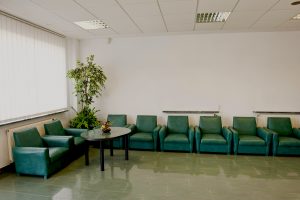
Many hospital waiting rooms are not particularly pleasant. They are generic and tend to represent holding pens rather than an example of patient caring.
Most often, they are set up like Greyhound Bus stations: chairs in line, magazines so out of date that they beg for the recycle bin, staff ignoring us, televisions turned to channels totally irrelevant to why we are there at all. Sound familiar?
Now, for a regular physical, our discomfort could be seen as normal impatience. However, what about Surgical waiting, ICU waiting, Endoscopy/Colonoscopy waiting? Labor and Delivery waiting? Whew! They are not all the same.
So, here are five ideas to consider and/or suggest to your waiting room manager, if you have such a person:
- Make the waiting time part of the treatment. Give the gift of relaxation, nature, music, calmness, concern.
- Provide opportunities to think and write down (on computer or note paper) what questions need to be asked when you finally are called to the front of the line.
- Provide water, coffee, tea, popsicles, popcorn, cookies, fruit — hunger makes us all irritable.
- Make the room itself warm and cozy. Look at the clutter from others and remove it. Straighten up the chairs and clear the debris.
- Test out your new waiting area by sitting in it for one hour. How does it feel? How are those sitting there for real doing?
The bottom line: Are the people who are waiting better or worse off for the experience?
P.S. If you like this post, please do me a favor and share on LinkedIn, Twitter, Facebook, etc. Also to get automatic notices when a new post is published, subscribe (upper right). No spam – just great content. Thanks!